How to Create a Calorie Deficit for Healthy Weight Loss
A calorie deficit is one of the basic concepts behind weight loss. It means consuming fewer calories than your body uses over time. However, creating a calorie deficit does not mean starving yourself or following an extreme diet.
A sustainable approach combines nutritious food, regular physical activity, and healthy lifestyle habits.
What Is a Calorie Deficit?
Your body uses energy throughout the day to perform everyday functions and physical activities. This energy comes from the food and drinks you consume.
When you consistently consume less energy than your body uses, you create a calorie deficit. Over time, this can contribute to weight loss.
The amount of food and energy an individual needs varies, so there is no single calorie target that works for everyone.
1. Focus on Nutrient-Dense Foods
When reducing your overall calorie intake, choose foods that provide plenty of nutrients.
Good options include:
- Vegetables
- Fruits
- Whole grains
- Beans and lentils
- Eggs
- Fish
- Lean meats
- Nuts and seeds
- Low-fat or unsweetened dairy options
These foods can help you build balanced meals while providing important nutrients.
2. Increase Your Protein Intake
Protein is an important nutrient for maintaining muscle and supporting overall health.
Include protein-rich foods such as eggs, fish, chicken, beans, lentils, tofu, yogurt, or other suitable options in your meals.
Your individual protein needs depend on factors such as age, body size, activity level, and health.
3. Eat More High-Fiber Foods
Foods containing fiber can help make meals more filling.
Vegetables, fruits, beans, lentils, and whole grains are useful sources of dietary fiber.
Try adding vegetables or fruit to meals and choosing whole-grain options when appropriate.
4. Be Careful With Liquid Calories
Some drinks can contain a significant amount of calories without making you feel as full as solid food.
Regularly consuming sugary soft drinks, sweetened beverages, and other high-calorie drinks can make it harder to maintain your desired calorie intake.
Water is a simple option for staying hydrated without adding calories.
5. Watch Your Portion Sizes
You don’t necessarily need to remove your favorite foods from your diet.
Instead, pay attention to portion sizes and build meals around nutritious foods. Eating slowly can also give you more time to notice when you’re becoming satisfied.
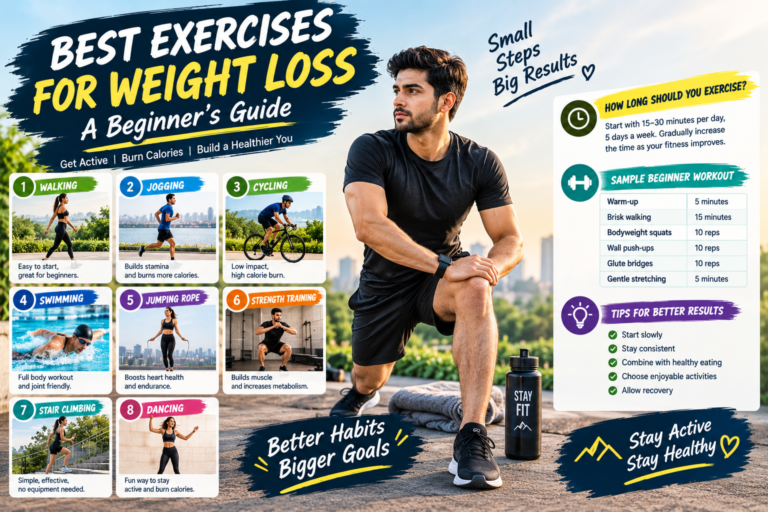
6. Add Regular Physical Activity
Exercise can increase the amount of energy your body uses and can support overall fitness.
You can include activities such as:
- Walking
- Cycling
- Swimming
- Jogging
- Strength training
- Dancing
Choose activities that you enjoy so you’re more likely to continue doing them.
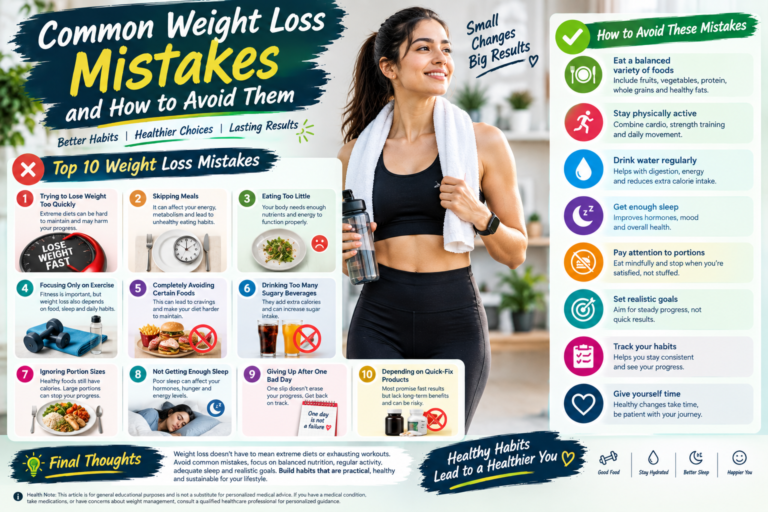
7. Don’t Make Your Calorie Deficit Too Extreme
A very restrictive diet can be difficult to maintain and may not provide enough energy or nutrients.
The goal should be to develop a sustainable eating pattern rather than trying to eat as little as possible.
If you’re unsure how much you should eat, consider speaking with a registered dietitian or qualified healthcare professional.
Sample Balanced Day
A simple day of balanced eating might include:
Breakfast: Oatmeal with fruit and yogurt
Lunch: Grilled chicken or beans with vegetables and whole grains
Snack: Fruit, yogurt, or a small serving of nuts
Dinner: Vegetables with a protein source and a suitable whole-grain or starchy food
Drinks: Water and other unsweetened beverages
Your actual food choices should depend on your preferences, nutritional needs, and lifestyle.
Common Calorie-Deficit Mistakes
Avoid these common mistakes:
- Eating extremely small portions
- Skipping meals unnecessarily
- Removing entire food groups without a medical reason
- Relying on weight-loss supplements
- Ignoring protein and fiber
- Drinking many sugary beverages
- Expecting immediate results
A balanced approach is easier to maintain over the long term.
Final Thoughts
Creating a calorie deficit can support weight loss, but it doesn’t require starving yourself or eliminating all the foods you enjoy.
Focus on nutritious foods, appropriate portions, regular physical activity, hydration, sleep, and sustainable habits.
Remember that calorie and nutrition needs are different for every person. A qualified healthcare professional can help you determine an approach that is appropriate for your individual situation.
Health Note: This article is for general educational purposes and is not a substitute for personalized medical advice. If you have a medical condition, take medications, are pregnant or breastfeeding, or have concerns about weight management, consult a qualified healthcare professional before making significant changes to your diet.